Table Of Content
- IS ALCOHOL BAD FOR YOUR HAIR? THIS NEWS ABOUT CETEARYL ALCOHOL AND ALCOHOL DENAT MAY SHOCK YOU
- Curl Care
- So, Is Cetyl Alcohol Bad for Hair?
- Products that can contain cetearyl alcohol
- What You Need to Know About Cetearyl Alcohol in Your Hair Products
- Alcohols and Your Hair, What You Should Know
- Rice Water Rinse Recipe & Routine For Curly Hair

Cetyl alcohol gives softer, shinier hair that detangles easily and is less prone to chemical or heat damage. It also stabilizes a shampoo’s foam to give it a more luxurious feel. Cetyl alcohol acts as a surfactant by lowering the surface tension of water, making it more likely to interact with oil and grease in the hair. Inhalation of 26 ppm of cetyl alcohol vapors also irritates mucous membranes of an animal’s eyes, throat, nose, and respiratory system. An older 1997 study noted that emulsifiers rarely cause allergic dermatitis, but cited five known cases. All of the people who had allergic reactions had preexisting allergies to other substances.
KHairPep Adds Peptide Mask to Restore Hair - Cosmetics & Toiletries
KHairPep Adds Peptide Mask to Restore Hair.
Posted: Wed, 17 Jun 2020 07:00:00 GMT [source]
IS ALCOHOL BAD FOR YOUR HAIR? THIS NEWS ABOUT CETEARYL ALCOHOL AND ALCOHOL DENAT MAY SHOCK YOU
The rise of the anti-aging skin care industry has also seen an increased use of cetyl alcohol in their products. The increased demand is due to its emollient properties that promote youthful skin. Industrially, cetyl alcohol is a main ingredient in chemicals, fuels, and plastic. Short-chain alcohol can dry out your hair and scalp, whereas on contrary fatty acid alcohols can have a hydrating effect on your hair. So always keep an eye on the ingredient list, whenever you choose a shampoo and conditioner.
Curl Care
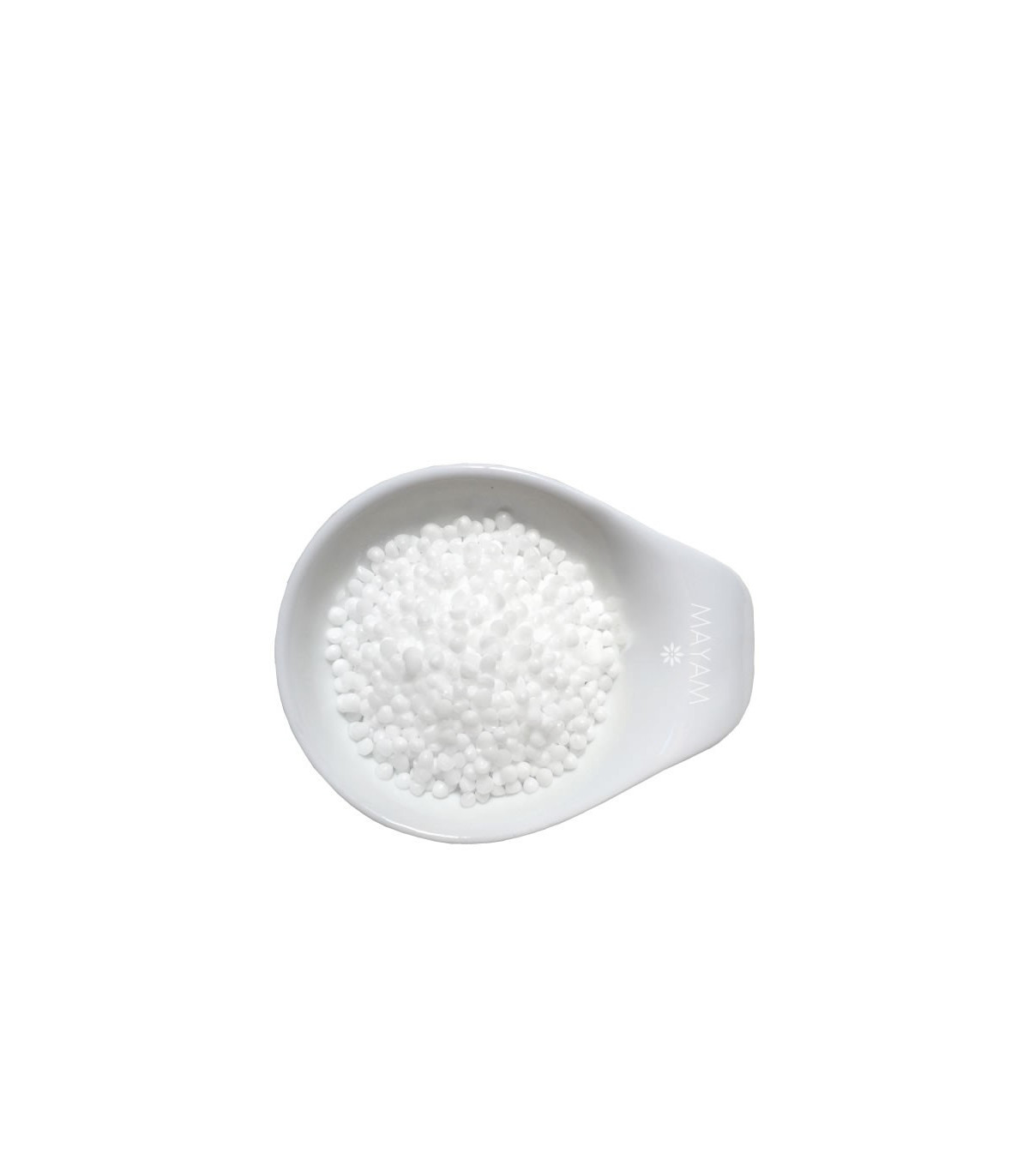
According to Frey, most skin care products on the market are made of water and oily ingredients. (These oily ingredients function as emollients, fragrances, and other purposes.) Cetearyl alcohol stops the water and oils from separating, which maintains the composition of the product. Cetyl alcohol is a major ingredient in hair care products like shampoos, leave-in, rinse-out conditioners, deep-penetrating treatments, and hair masks.
So, Is Cetyl Alcohol Bad for Hair?
A fatty alcohol like Cetearyl Alcohol and Cetyl Alcohol can also be used as an emulsifier and thickening agent in skin and hair care products. While cetearyl alcohol and other fatty alcohols in cosmetics do not dry the skin, ethanol and other astringent alcohols do. People with dry, sensitive skin may wish to look for products with “alcohol free” on the label to avoid the irritating effects of astringent alcohols. There are long chain alcohols, which contain around 26 or more carbon atoms. Of course, cetearyl alcohol is a fatty alcohol, making it great for hair and skin care. "Shampoos, conditioners, face cleansers—you're going to rinse them off, so there's not a whole lot of contact time between these products," Fusco says.
Cetearyl alcohol is a fatty alcohol that is derived from oils, hence it exhibits emollient properties which keeps the strands hydrated for a longer time, leaving them soft and smooth. The long chain of carbon atoms in the fatty alcohol traps the water molecule, and restores the hydration level of your hair. Our haircare experts often advise us to steer clear of hair products with alcohol as it can dry out the tresses. That's why you might have noticed the term 'Cetearyl alcohol' frequently popping up in the INCI list of many haircare products.
Products that can contain cetearyl alcohol
One of the remarkable aspects of Cetearyl Alcohol is its compatibility with different hair types. Regardless of whether your hair is fine, coarse, curly, or color-treated, cetearyl alcohol can offer benefits without causing excessive weight or greasiness. It strikes a balance between moisturizing the hair without leaving behind a heavy residue, making it suitable for a wide range of individuals seeking healthy and nourished hair.
What You Need to Know About Cetearyl Alcohol in Your Hair Products
A 2007 article also reported five cases of allergic contact dermatitis due to cetearyl alcohol. A skin care product is essentially a mixture of multiple ingredients. Cetearyl alcohol helps those ingredients stay mixed, thanks to its emulsifying properties. Cetearyl alcohol is a common ingredient often found in cosmetic products, leading many to question its safety and impact on hair health. By delving into its chemical properties and functions, we can better understand its role and dispel prevalent misconceptions.
It softens your hair and creates a lipid barrier that traps water and prevents it from evaporating. The result is hydrated and conditioned hair that’s visibly smooth. Unlike simple alcohols like ethanol, fatty alcohols cannot intoxicate you.
Rice Water Rinse Recipe & Routine For Curly Hair
We drive awareness and product choices for conscious, healthy and eco-friendly living. Click on the image below to read more about this nourishing product. In clinical studies, Cetearyl Alcohol was found to have NO toxicity and was NON-mutagenic. Non-mutagenic means that it is a chemical agent that does NOT change your DNA. Alcohol is often used as a generic term, but not all alcohols are created equal. Say goodbye to hair loss and hello to revitalized, regrown hair with Fully Vital's Vegan Hair Regrowth System.
Cetyl alcohol has received criticism over the years because of confusion about what it really is. Drying alcohols, like SD alcohol, can be drying to the skin and hair and should be avoided as much as possible in your hair regimen. Generally, cetearyl alcohol is a vegan ingredient as it is most often derived from plant-based products. It can be derived from animal based sources such as from sperm whales, however this source is very uncommon.
Cetearyl alcohol, also referred to as cetostearyl alcohol, is a mixture of fatty alcohols, primarily cetyl and stearyl alcohols. Cetyl alcohol is derived from palm oil and stearyl alcohol is derived from stearic acid, a saturated fatty acid. Fatty alcohols are a hybrid between alcohols and fatty acids or oils. There is often a misconception that because it has alcohol in its name that cetearyl alcohol is drying to the skin.



No comments:
Post a Comment